

Smart home technology is becoming part of many homes today. It helps people control lights, locks, and more with their voice or phone. But what will smart homes look like in the future? Let’s explore some future trends in smart home technology in a simple way.
1. Smarter Devices That Learn
In the future, smart devices will learn from your habits. They will watch what you do and make life easier. For example, a smart thermostat will know when you like the house warm or cool. It will change the temperature without you asking.
This learning will save energy and money. It will also keep your home comfortable all the time.
2. More Voice Control
Many homes already use voice assistants like Alexa or Google Home. In the future, voice control will be even better. You will be able to talk to many devices at once. Just say what you want, and the home will do it.
Imagine telling your home to turn on the lights, play music, and lock the door. All with one simple command.
3. Enhanced Security Systems
Security is a big part of smart homes. Future smart security will be stronger. Cameras will have better vision, even at night. They might recognize faces to know who is at the door.
Smart locks will use fingerprints or your phone to unlock. You will get alerts if something is wrong. This helps keep your family and home safe.
4. Better Energy Management
Smart homes will help save energy more than now. Devices will work together to use less power. For example, lights will turn off when no one is in the room.
Smart plugs will stop power to devices that are not needed. This will lower electricity bills and help the planet.
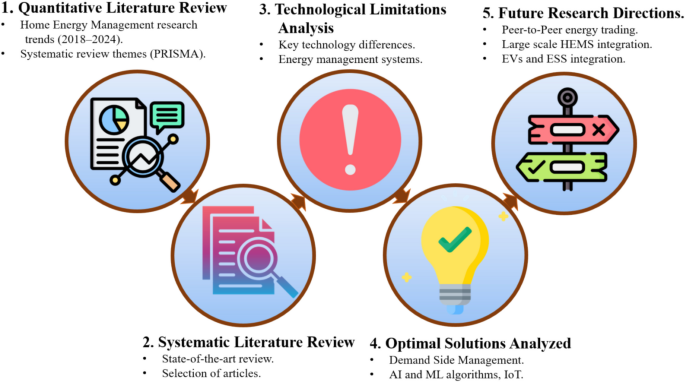
Credit: link.springer.com
5. More Connected Devices
In the future, even more devices will connect to the internet. Your fridge, oven, and washing machine will all be smart. They will talk to each other and work better.
The fridge might tell you when food is going bad. The oven can start cooking your meal before you get home. All this makes daily life easier.
6. Improved Home Health Monitoring
Smart homes will help monitor your health. Sensors can check air quality, humidity, and temperature. They can warn you if the air is bad.
Some devices can track your sleep or heart rate. This will help you stay healthy and feel good at home.
7. More Personalization
Future smart homes will change to fit your style and needs. Lights can change colors based on your mood. Music will play what you like at different times.
Even the temperature will adjust for each person in the house. This makes everyone feel happy and comfortable.
8. Easier Setup and Use
Today, setting up smart devices can be hard. In the future, it will be much easier. Devices will connect automatically and work right away.
Apps will be simple to use. You will not need to be a tech expert to control your smart home.

Credit: www.ashb.com
9. More Affordable Technology
Smart home devices are becoming cheaper. This trend will continue. More people will be able to use smart homes without spending much money.
This means better technology for everyone, no matter the budget.
10. Smart Home and Artificial Intelligence (AI)
AI will play a big role in future smart homes. It will help devices understand what you want. AI can also fix problems without you knowing.
For example, if a device stops working, AI can try to fix it. This keeps your home running smoothly.
11. Integration with Smart Cities
Smart homes will connect with smart cities. Your home can get information about traffic or weather. It can plan your day better.
For example, your car might get ready when traffic is clear. Or your home can prepare for a storm by closing windows.
12. Focus on Privacy
As smart homes become more common, privacy will matter more. Future devices will keep your data safe. You will control what information is shared.
Companies will use better ways to protect your privacy. This makes smart homes safer to use.
Summary of Future Smart Home Trends
| Trend | What It Means | Benefit |
|---|---|---|
| Smarter Devices | Devices learn your habits | Comfort and energy savings |
| More Voice Control | Talk to many devices easily | Convenience and speed |
| Enhanced Security | Better cameras and locks | Increased safety |
| Energy Management | Devices save power | Lower bills and eco-friendly |
| More Connected Devices | Appliances talk to each other | Daily tasks easier |
| Health Monitoring | Check air and health signs | Better well-being |
| Personalization | Customize lights, music, and temp | Comfort for everyone |
| Easier Setup | Simple device connection | Less hassle |
| More Affordable | Lower prices for devices | Accessible to many |
| AI Integration | Smart problem solving | Reliable home systems |
| Smart City Links | Connect home with city data | Better daily planning |
| Privacy Focus | Protect your data | Safer smart homes |
Frequently Asked Questions
What Are The Top Future Trends In Smart Home Technology?
Smart homes will use more AI for automation and energy saving. Voice control and smart sensors will become common. Connectivity between devices will improve user experience.
How Will Ai Improve Smart Home Devices?
AI will learn your habits and adjust settings automatically. It can enhance security by recognizing unusual activities. This makes homes safer and more efficient.
Will Smart Homes Use More Renewable Energy Soon?
Yes, smart homes will better integrate solar panels and batteries. They will manage energy use to reduce waste. This helps save money and protect the environment.
How Will 5g Impact Smart Home Technology?
5G will provide faster and more reliable internet for devices. It allows real-time control and better video streaming. This means smoother smart home performance.
Conclusion
The future of smart home technology looks bright. Devices will become smarter, easier to use, and more helpful. Homes will be safer and save energy. They will also help people stay healthy and comfortable.
Smart homes will fit your needs better than ever. They will connect to the world outside and protect your privacy. All this will make life at home more pleasant.
If you like technology, keep an eye on smart homes. They will keep changing and growing in the next years.