
Technology is growing fast. One of the new ideas is called edge computing. It helps many devices work better and faster. In kitchens, edge computing is becoming very useful. Smart kitchens use this technology to make cooking and cleaning easier.
What Is Edge Computing?
Edge computing means processing data near the place where it is made. It does not send all data to faraway servers. Instead, it works on local devices or nearby computers. This helps make decisions quickly.
For example, if a smart fridge needs to check food temperature, it can do that right away. It does not wait for information from a distant server. This saves time and helps the kitchen run smoothly.

Credit: www.symmetryelectronics.com
What Is a Smart Kitchen?
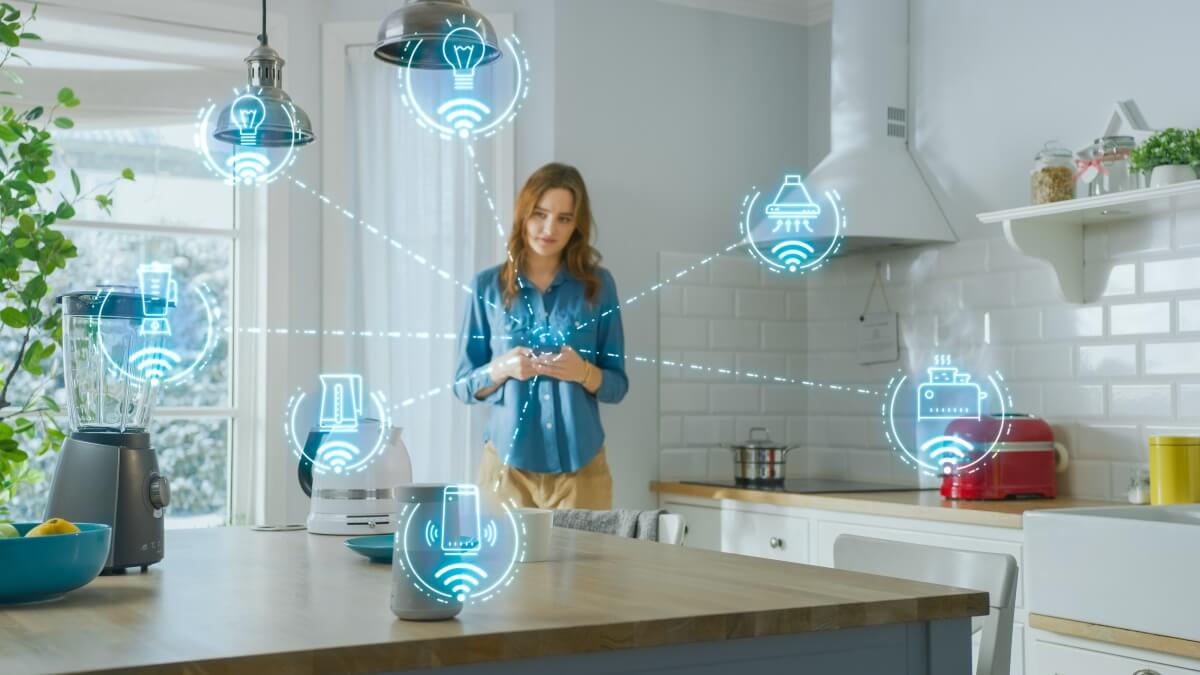
A smart kitchen has many devices that can connect to the internet. These devices can talk to each other and work automatically. Examples are smart ovens, fridges, coffee makers, and lights.
Smart kitchens make cooking easier and safer. They can help save energy and reduce food waste. All this happens because of good technology like edge computing.
How Edge Computing Helps Smart Kitchens
Edge computing gives many benefits to smart kitchens. Here are some ways it helps:
1. Faster Response Time
In smart kitchens, speed is important. When you press a button, you want the oven to start right away. Edge computing lets devices work fast. It processes data near the kitchen, so there is little delay.
For example, a smart oven can adjust temperature quickly. It does not need to send data far away. This makes cooking more precise and safer.
2. Better Device Communication
Smart kitchen devices need to talk to each other. Edge computing helps devices share information easily. For example, a smart fridge can tell the smart oven what food is inside. The oven can then suggest recipes.
This communication happens locally. It does not depend on slow internet. This makes the kitchen more connected and helpful.
3. Saves Internet Bandwidth
Smart devices send a lot of data. If all data goes to the cloud (remote servers), it can slow down the internet. Edge computing reduces this problem. It processes data nearby and sends only important information online.
This saves internet bandwidth. It also lowers the cost of internet usage. The kitchen stays connected without using too much data.
4. Works Even With Slow Or No Internet
Sometimes, internet may be slow or stop working. In normal smart kitchens, this causes problems. But with edge computing, many tasks can still run. Devices can work locally without internet.
For example, a smart oven can still cook using local data. This makes the kitchen more reliable.
5. Improves Security And Privacy
Smart kitchens collect a lot of data. This data can include your habits or shopping lists. Edge computing helps keep data safe. Since data is processed locally, it is less exposed to hackers.
Only necessary data is sent online. This protects your privacy and keeps your kitchen safe.
Examples of Edge Computing in Smart Kitchen Devices
Here are some smart kitchen devices that use edge computing:
| Device | How Edge Computing Helps |
|---|---|
| Smart Refrigerator | Monitors food temperature and freshness locally. Suggests recipes based on available ingredients. |
| Smart Oven | Adjusts cooking settings quickly. Communicates with other devices for better cooking plans. |
| Smart Dishwasher | Chooses cleaning cycles based on load size. Works even if internet is slow or down. |
| Voice Assistants | Processes voice commands locally for faster response. Controls kitchen devices smoothly. |
| Smart Coffee Maker | Remembers your preferences. Starts brewing at the right time without internet delay. |
Why Edge Computing Is Important in Smart Kitchens
Smart kitchens need to be fast, safe, and reliable. Edge computing helps in all these ways.
- Speed: Makes devices respond quickly.
- Reliability: Works even without good internet.
- Safety: Protects your data and privacy.
- Efficiency: Saves internet data and energy.
Without edge computing, smart kitchens would be slower and less secure. This technology makes the kitchen smarter and easier to use every day.
Future of Edge Computing in Smart Kitchens
Edge computing is still growing. In the future, it will help kitchens become even smarter. Here are some possible improvements:
- More devices working together quickly.
- Better cooking advice based on real-time data.
- Improved energy saving by managing power use locally.
- More safety features to prevent accidents.
As technology improves, edge computing will make smart kitchens more common and useful. It will help people cook healthy food faster and easier.
Credit: xailient.com
Frequently Asked Questions
What Is Edge Computing In Smart Kitchens?
Edge computing means processing data near kitchen devices. It helps cook faster and saves internet use.
How Does Edge Computing Improve Smart Kitchen Devices?
It reduces delay by handling data locally. Devices work quicker and more smoothly.
Can Edge Computing Enhance Kitchen Safety?
Yes, it detects hazards like gas leaks fast. Alerts happen instantly to prevent accidents.
Why Use Edge Computing Over Cloud In Kitchens?
Edge is faster and uses less internet. It keeps data private and reliable.
Conclusion
Edge computing plays a key role in smart kitchens. It helps devices work fast and safely. It also makes the kitchen more reliable, even when internet is slow.
Smart kitchens with edge computing can save time, energy, and money. They also protect your personal data better.
In short, edge computing makes kitchens smarter and helps people enjoy cooking more.