

Smart kitchens are becoming more popular in many homes. These kitchens use devices that connect to the internet. They help with cooking, shopping, and even cleaning. But, with these smart devices, privacy concerns arise. Many people worry about how safe their data is. This article explains the privacy risks of smart kitchens. It also shows how to protect your data well.
What Is a Smart Kitchen?
A smart kitchen has devices that connect to the internet. These devices can be controlled by phones or voice commands. Examples include smart refrigerators, ovens, coffee makers, and lights. They can learn your habits and make cooking easier.
For example, a smart fridge might remind you when food is about to expire. Or a smart oven can be turned on from your phone. These devices share information over the internet. That is why privacy is important.
Privacy Concerns in Smart Kitchens
Privacy means keeping personal information safe. Smart kitchen devices collect data about your habits. They know what you like to eat, when you cook, and your daily routines. This data can be useful. But it can also be risky if it falls into the wrong hands.
Types Of Data Collected
- Shopping lists and grocery preferences
- Recipes and cooking times
- Voice commands and audio recordings
- User schedules and routines
- Device usage and settings
Possible Privacy Risks
Here are some risks you might face with smart kitchen devices:
- Data Theft: Hackers can steal your personal data.
- Unauthorized Access: Someone may control your devices without permission.
- Data Sharing: Companies might share your information with others.
- Listening Devices: Some devices may record audio without your knowledge.
- Location Tracking: Devices can track where you are and when.
Why Should You Care About Smart Kitchen Privacy?
Your privacy matters because your data is personal. If someone gets your data, they can misuse it. For example, hackers could find out when you are not home. Or companies could send you unwanted ads based on your habits. Protecting privacy keeps you safe and your information private.
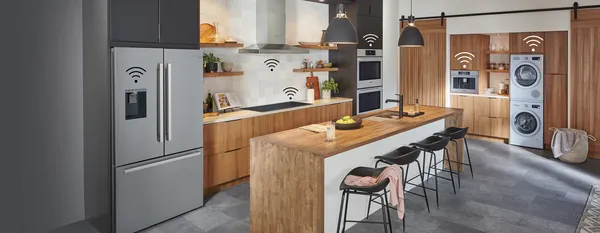
Credit: www.bosch-home.com
How to Protect Your Smart Kitchen Data
Here are simple steps to protect your data in a smart kitchen.
1. Use Strong Passwords
Always set strong passwords for your devices. Avoid easy words like “1234” or “password.” Use a mix of letters, numbers, and symbols. Change passwords regularly. This helps stop others from guessing them.
2. Keep Software Updated
Smart devices need updates to fix bugs and security holes. Always install updates when they are available. This keeps your devices safe from hackers.
3. Limit Data Sharing
Check the settings on your devices. Turn off data sharing if possible. Only allow necessary data to be shared. Read privacy policies to understand what data is collected.
4. Secure Your Wi-fi Network
Your home Wi-Fi connects all smart devices. Use a strong password for your Wi-Fi. Avoid public or open networks for your smart kitchen. Consider using a guest network for visitors.
5. Turn Off Devices When Not In Use
Turning off smart devices can stop them from listening or sharing data. This is good if you don’t use the device for a long time.
6. Use Two-factor Authentication
Two-factor authentication (2FA) adds an extra layer of security. It asks for a second code after entering your password. This makes it harder for hackers to access your account.
7. Be Careful With Voice Assistants
Smart kitchens often use voice assistants. They listen for commands, but sometimes they can hear more than needed. You can mute the microphone when not using it. Also, review and delete voice recordings regularly.
8. Choose Devices From Trusted Brands
Some brands care more about user privacy. Research before buying smart kitchen devices. Look for brands with good security reputations and clear privacy policies.
What to Do If You Suspect a Privacy Breach
If you think someone has accessed your smart kitchen data, act fast.
- Change all your passwords immediately.
- Disconnect affected devices from the internet.
- Check your device’s security settings.
- Contact the device maker for help.
- Monitor your accounts for unusual activity.

Credit: www.wired.com
Benefits of Smart Kitchens Despite Privacy Concerns
Smart kitchens make life easier. They save time and help cook better food. If you protect your data well, you can enjoy these benefits safely.
Devices can remind you to buy groceries. They can help cook meals at the right temperature. They make your kitchen more comfortable and fun.
Summary: Protecting Your Smart Kitchen Privacy
| Privacy Concern | How to Protect |
|---|---|
| Weak Passwords | Use strong, unique passwords and change often |
| Outdated Software | Install updates regularly |
| Excessive Data Sharing | Limit data sharing in settings |
| Unsecured Wi-Fi | Use strong Wi-Fi passwords and secure networks |
| Voice Assistant Listening | Mute microphone when not in use, delete recordings |
| Unauthorized Access | Use two-factor authentication |
Privacy in smart kitchens is very important. Follow these simple steps to keep your data safe. Enjoy the benefits of smart technology with peace of mind.
Frequently Asked Questions
What Are Common Privacy Risks With Smart Kitchen Devices?
Smart kitchen devices collect personal data like voice commands and usage habits. This data can be hacked or misused if not protected properly.
How Can Hackers Access Smart Kitchen Appliance Data?
Hackers can exploit weak passwords or outdated software to access your device data. Public Wi-Fi and unsecured networks increase these risks.
Why Is Data Encryption Important For Smart Kitchens?
Encryption keeps your data safe by turning it into unreadable code. It prevents unauthorized people from seeing your personal information.
Can Smart Kitchen Devices Listen Without Permission?
Some devices may listen to background sounds unintentionally. Always check privacy settings and disable microphones when not needed.