

Lighting in the kitchen is very important. It helps us see what we are doing. Good lighting makes cooking easier and safer. Today, many people use smart lighting in their kitchens. Smart lighting means lights that you can control with your phone or voice. You can also set them to turn on or off by themselves. This article will share many ideas for smart kitchen lighting automation.
Why Use Smart Lighting in the Kitchen?
Smart lighting has many benefits. It makes your kitchen more useful and fun. You can change the light color and brightness easily. You can save energy by turning lights off when no one is there. It also makes your kitchen look modern and clean. Smart lights can help you cook better by giving you the right light at the right time.
Credit: www.lorddecor.com
Types of Smart Kitchen Lighting
There are different types of smart lights you can use in the kitchen. Knowing each type helps you plan better.
- Ceiling Lights: These are the main lights in the kitchen. They light up the whole room.
- Under Cabinet Lights: These small lights go under cabinets. They light up the countertop for cooking.
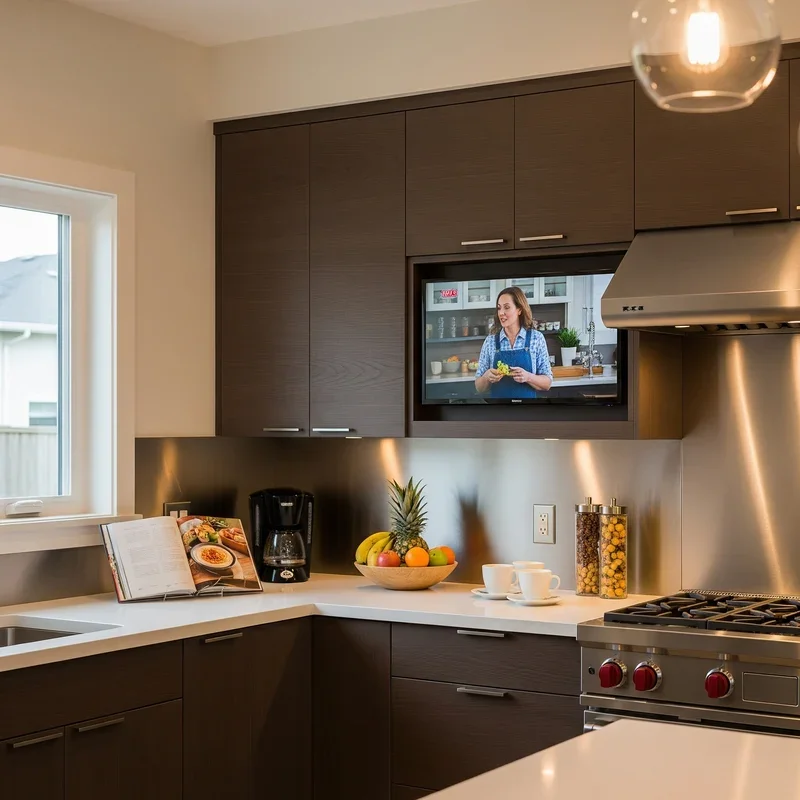
- Pendant Lights: These hang from the ceiling. They are great over kitchen islands or dining tables.
- Strip Lights: Flexible strips that can go anywhere. Good for adding color or extra light.
- Task Lights: Focused lights for specific areas. Like above the sink or stove.
How to Automate Kitchen Lighting
Automation means your lights work by themselves. You do not always need to turn them on or off. Here are some smart ideas for automation.
1. Motion Sensors
Motion sensors turn lights on when you enter the kitchen. They turn off after you leave. This saves electricity. You do not have to find the switch in the dark. Motion sensors are great for under cabinet lights and ceiling lights.
2. Voice Control
Use a smart speaker to control your lights with voice. Say “Turn on the kitchen lights” and they will light up. This is helpful when your hands are full. You can change the light color or brightness by voice too.
3. Scheduled Lighting
Set your lights to turn on or off at certain times. For example, turn on bright lights in the morning. Use soft lights in the evening for a calm mood. Scheduling helps you keep good habits and saves energy.
4. Light Color Change
Smart bulbs can change colors. Use white light for cooking. Use warm yellow light for dinner time. You can even use fun colors for parties. Changing colors can make your kitchen more lively and welcoming.
5. Dimming Lights
Dimming means making the light softer or brighter. Use bright light when cutting or cooking. Dim the light when eating or cleaning. Dimming helps protect your eyes and saves power.
6. Integration With Other Devices
Smart lighting can work with other smart devices. For example, when your smart oven turns on, the lights can get brighter. Or when the kitchen door opens, the lights can turn on automatically. This makes your kitchen smarter and easier to use.
Best Places for Smart Lights in the Kitchen
Where you put your smart lights is very important. Here are some good places to install smart lights.
| Place | Type of Light | Automation Idea | Benefit |
|---|---|---|---|
| Ceiling | Ceiling Lights | Motion sensor and voice control | Lights up the whole kitchen quickly |
| Under Cabinets | Strip or LED Bars | Scheduled lighting and dimming | Good light for cooking and chopping |
| Kitchen Island | Pendant Lights | Color change and voice control | Focus light and mood setting |
| Sink Area | Task Lights | Motion sensor | Bright light for washing and cleaning |
| Dining Space | Pendant or Ceiling Lights | Dimming and color change | Soft light for eating and relaxing |
Tips for Choosing Smart Kitchen Lights
Choosing the right smart lights is important. Here are some tips to help you.
- Check Compatibility: Make sure lights work with your phone or voice assistant.
- Choose Brightness: Pick lights with good brightness levels for cooking.
- Look for Easy Controls: Use apps or voice commands that are simple to use.
- Pick the Right Color Temperature: Use cool white for work areas and warm white for relaxing.
- Consider Energy Saving: Use LED smart bulbs to save power.
- Think About Design: Choose lights that fit your kitchen style.

Credit: dlifeinteriors.stck.me
Examples of Smart Kitchen Lighting Automation
Here are some real examples of smart lighting ideas you can try.
- Morning Routine: Lights turn on softly at 7 AM. Brighten up after 10 minutes.
- Cooking Time: When you start cooking, under cabinet lights turn on bright.
- Hands-Free Lighting: Voice command turns on the sink light while washing dishes.
- Night Mode: Dim lights turn on if you enter the kitchen after 10 PM.
- Party Mode: Change lights to colors like red, blue, or green for fun.
How to Start with Smart Kitchen Lighting Automation
Starting smart lighting is easy. Follow these steps:
- Decide what kind of smart lights you want.
- Choose a smart hub or app that works with your lights.
- Install lights in key places like ceiling and counters.
- Set up automation like schedules or motion sensors.
- Test the system and make changes if needed.
- Enjoy your smart and bright kitchen!
Frequently Asked Questions
What Is Smart Kitchen Lighting Automation?
Smart kitchen lighting automation uses technology to control kitchen lights. You can adjust brightness and colors with apps or voice commands.
How Does Smart Lighting Improve Cooking Spaces?
It creates better visibility and sets the mood in your kitchen. Lights can change based on time or activity for comfort.
Which Smart Lights Are Best For Kitchen Use?
LED smart bulbs with adjustable brightness and color work well. Look for lights compatible with voice assistants like Alexa or Google.
Can Smart Kitchen Lights Save Energy?
Yes, smart lights use less power and can turn off automatically. Scheduling lights helps avoid wasting electricity when not needed.
Conclusion
Smart lighting can make your kitchen better. It helps you see well and saves energy. Automation makes lighting easy to use. You can control lights with your voice or phone. You can set lights to turn on or off by themselves. Use different light types in your kitchen. Place lights where you need them most. Choose smart lights that fit your style and needs. Try some automation ideas like motion sensors or schedules. Your kitchen will be bright, safe, and fun to cook in.