

Many homes have a mix of old and new kitchen tools. Some are smart devices. Others are traditional appliances. You might wonder how to use them together. This guide will help you link smart kitchen devices with old appliances. It will make your kitchen easier to use. You will save time and enjoy cooking more.
What Are Smart Kitchen Devices?
Smart kitchen devices are tools that connect to the internet. They use apps or voice commands. You can control them from your phone or tablet. Some examples:
- Smart coffee makers
- Smart ovens
- Smart refrigerators
- Smart scales
- Smart lights
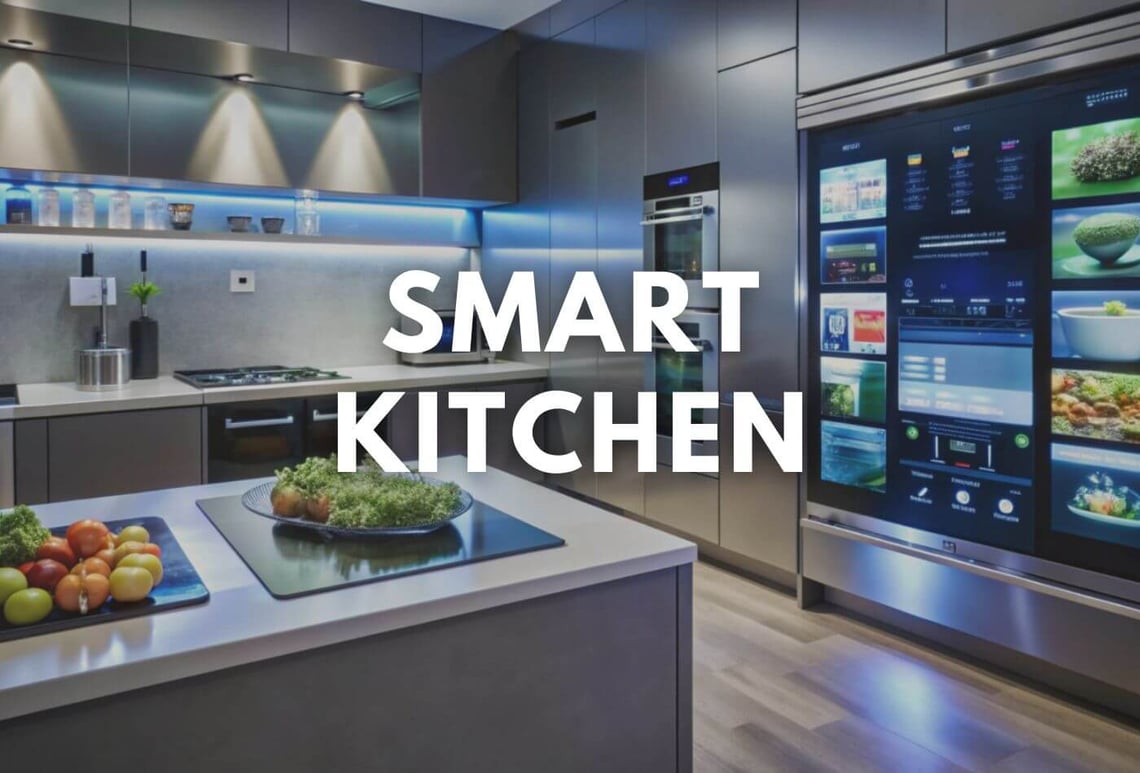
These devices can do many things automatically. For example, a smart oven can start cooking before you get home. Or a smart fridge can remind you to buy milk. They make cooking simpler and more fun.
What Are Traditional Appliances?
Traditional appliances are kitchen tools that do not connect to the internet. They work by simple buttons or knobs. Examples:
- Stoves
- Microwaves
- Blenders
- Toasters
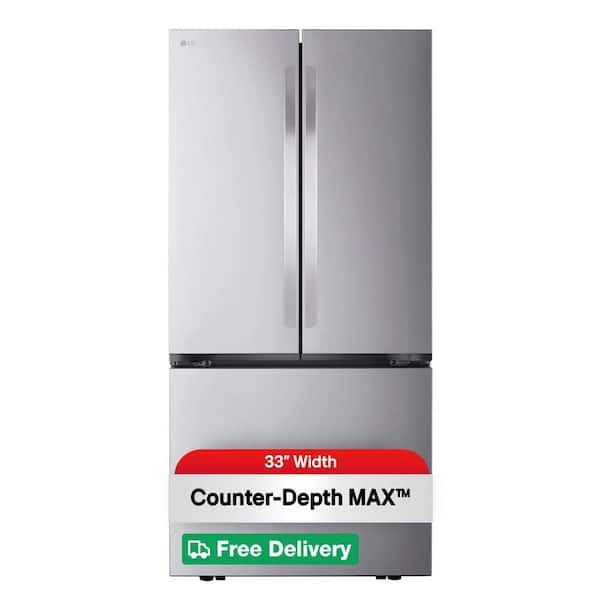
- Old refrigerators
Many people still use these appliances. They work well but lack smart features. You might want to keep them but use smart devices too.
Credit: www.homedepot.com
Why Combine Smart Devices and Traditional Appliances?
Combining smart and traditional tools can help you:
- Save time in cooking
- Use your old appliances better
- Control your kitchen from anywhere
- Make fewer mistakes when cooking
- Have more fun while cooking
You do not need to replace all your old appliances. You can add smart devices to improve your kitchen. The key is to find easy ways to connect them.
Steps to Integrate Smart Devices With Traditional Appliances
Follow these steps to make your kitchen smart and simple:
1. Check Your Wi-fi Connection
Smart devices need good internet. Make sure your Wi-Fi works well in your kitchen. If the signal is weak, buy a Wi-Fi extender. It helps your devices stay connected.
2. Choose A Smart Hub Or Voice Assistant
A smart hub or voice assistant controls your devices. Examples include Amazon Alexa, Google Home, or Apple HomePod. You can talk to them or use apps. They help link different devices together.
3. Use Smart Plugs For Traditional Appliances
Smart plugs are simple devices. You plug them into an outlet, then plug your appliance into the smart plug. Now, you can turn your appliance on or off with your phone or voice.
This works well for:
- Toasters
- Coffee makers
- Slow cookers
- Microwaves
Smart plugs do not make appliances smarter. But they give you remote control. You can start your coffee maker before you get out of bed.
4. Add Smart Sensors
Smart sensors help monitor your kitchen. They can detect temperature, humidity, or motion. Some sensors can alert you if the stove is left on. Others can tell if the fridge door is open too long.
Sensors work well with old appliances that do not have smart controls. They add safety and convenience to your kitchen.
5. Use Smart Kitchen Apps
Some apps can connect smart devices and old appliances. They help you plan meals, track ingredients, or control devices. Look for apps compatible with your devices.
Apps can:
- Send reminders to check food
- Help you control smart plugs
- Show recipes based on what you have
- Connect devices from different brands
6. Control Lighting And Temperature
Smart lights and thermostats help make your kitchen comfortable. You can turn on lights with voice commands. Or set the temperature before cooking. These devices work well with traditional appliances.
7. Connect Smart Speakers For Voice Control
Smart speakers let you control devices with your voice. You can ask to turn on the oven or set a timer. Even if your appliance is old, smart plugs and sensors can work with voice commands.
8. Use Smart Kitchen Gadgets
Some gadgets work with both smart and old appliances. For example, a smart thermometer can connect to your oven or grill. It shows the food’s temperature on your phone. This helps cook food perfectly.
Credit: www.work-tops.com
Tips for a Smooth Integration
Here are some ideas to help you:
| Tip | Why It Helps |
|---|---|
| Start small with one or two devices | Easy to learn and control |
| Read manuals and instructions carefully | Helps avoid mistakes |
| Use simple apps with good reviews | Less confusion and better support |
| Keep your old appliances clean and working well | Smart devices work better with well-maintained tools |
| Ask family members to learn together | Everyone can help and enjoy the kitchen |
Common Challenges and How to Solve Them
Sometimes, you may face problems. Here are common ones and simple fixes:
Device Not Connecting To Wi-fi
Try moving closer to the router. Restart the device and router. Check the password carefully.
Smart Plug Not Working
Make sure the plug is connected well. Check the app for updates. Reset the plug if needed.
Apps Not Syncing Devices
Close and open the app again. Update the app to the latest version. Reinstall the app if needed.
Voice Commands Not Recognized
Speak clearly and slowly. Check the microphone settings. Train the voice assistant if possible.
Examples of Integrations You Can Try
Here are some ideas to start:
- Use a smart plug to turn your slow cooker on in the morning.
- Set a smart speaker to remind you to check the oven.
- Use a smart thermometer to cook meat perfectly on a regular oven.
- Connect smart lights to turn on when you enter the kitchen.
- Use a smart fridge app to track groceries in your old refrigerator.
Benefits of Combining Smart and Traditional Appliances
Here is why many people like this mix:
- Save money by not replacing all appliances
- Enjoy new technology easily
- Keep favorite old appliances
- Make cooking faster and safer
- Control kitchen devices from anywhere
Final Thoughts
Integrating smart kitchen devices with traditional appliances is simple. You do not need to buy everything new. Small changes like smart plugs and sensors help a lot. Good Wi-Fi and a smart hub make control easy.
Take it step by step. Start with one device and add more later. Learn from your experience. Soon, your kitchen will be more useful and enjoyable.
Smart and traditional devices can work well together. Your kitchen will be a better place for cooking and sharing meals.
Frequently Asked Questions
How Do Smart Kitchen Devices Connect With Old Appliances?
Smart devices connect through Wi-Fi, Bluetooth, or smart plugs. Some need adapters to link with old appliances easily.
Can I Control Traditional Appliances Using A Smartphone?
Yes, smart plugs and hubs let you control old appliances from your phone. This adds convenience and saves time.
What Are The Benefits Of Integrating Smart Kitchen Devices?
Integration improves cooking efficiency, saves energy, and offers remote control. It also helps monitor appliance usage and maintenance.
Do I Need Special Tools To Integrate Smart Devices?
Most smart devices come ready to use with simple setup apps. No special tools are usually needed for integration.